
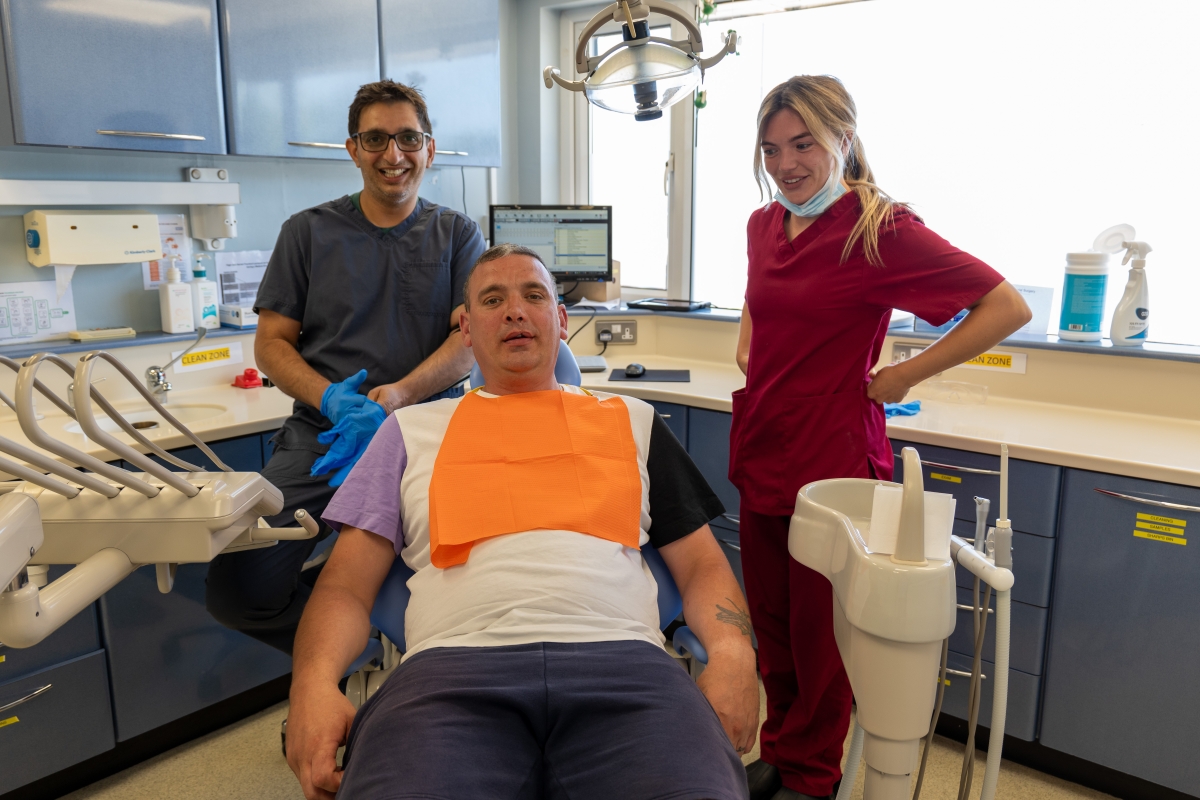
Leeds railway station handles somewhere between 24 and 27 million entries and exits a year, making it one of the busiest stations in Britain outside London. Behind that number is a genuinely large group of people leaving home before the local dentist opens and getting back well after it’s closed. For a lot of them, that’s exactly why the dentist keeps slipping down the list.
A national problem, felt more acutely on a commute
This isn’t a Leeds-specific issue on paper. Across the UK, only 40% of adults manage a checkup every six months as recommended, a quarter go less than once every two years, and 8% never go at all. When people are asked why, two of the most common answers are strikingly practical: appointments aren’t convenient, and there simply isn’t enough time.
That’s the part that lands differently for commuters. “Not enough time” isn’t a vague excuse when your day already starts with a 45-minute train journey and ends with the same trip in reverse. It’s a genuine scheduling problem.
Why the maths doesn’t work for a lot of commuters
Most dental practices run on hours that closely mirror a standard working day. If your job also runs a standard working day, and your commute adds an hour or more on either side of it, the realistic window for booking an appointment without taking time off shrinks to almost nothing. Lunch breaks get eaten by meetings. Early appointments before work get eaten by the train timetable. What’s left is booking weeks in advance for one of the few slots that happen to line up, or quietly letting it slide until something forces the issue.
None of this is about people not caring about their teeth. It’s a straightforward logistics problem that builds up slowly, appointment by skipped appointment, until a year or two has passed without anyone deciding to skip a dentist entirely. It just sort of happened.
What happens while checkups get pushed back
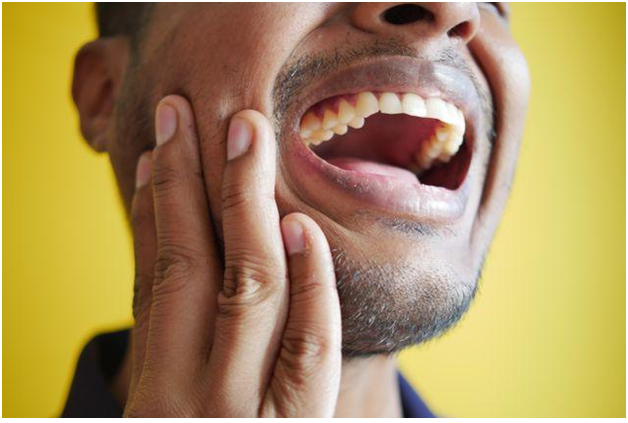
This is the part that makes the delay riskier than it feels in the moment. Tooth decay and early gum disease are largely silent. There’s often no pain, no obvious sign, nothing that forces the issue, right up until there is. A checkup exists specifically to catch these things before they turn into something you can feel, which means the six or twelve months between missed appointments aren’t neutral. They’re the exact window where small, easily treated problems have time to develop into something bigger.
What it actually costs when it does become an emergency
Here’s where the numbers get genuinely worth knowing. A straightforward filling caught early typically costs somewhere in the £100 to £200 range privately. Left untreated, that same problem doesn’t stay the same size. It tends to progress toward needing root canal treatment, commonly £300 to £800, often followed by a crown to protect what’s left of the tooth, typically £500 to £1,000 or more. A problem that would have been a single, planned, relatively inexpensive appointment turns into several appointments, a meaningfully larger bill, and considerably more disruption to a working week than the original checkup would ever have caused.
The irony worth naming directly
This is the part that’s easy to miss. The whole reason a lot of commuters put off routine dental care is to avoid the hassle of fitting an appointment around work. But when a skipped checkup turns into an abscess or a cracked tooth, it doesn’t wait for a convenient gap in the diary. It shows up mid-shift, mid-commute, or at 2am, and it demands attention immediately rather than on your terms. Knowing what emergency dental care actually involves, and that same-day appointments exist for exactly this situation, is worth understanding before you need it rather than while you’re in pain and trying to work out where to go.
The routine checkup you were trying to avoid taking time off for tends to be far less disruptive than the emergency appointment you end up needing instead.
A few practical fixes that actually help
- Book around the commute, not against it. Some practices offer early morning or early evening slots that line up with a longer working day better than a standard lunchtime appointment ever will.
- Book the next checkup before you leave the current one. It’s far easier to keep a slot booked six months out than to remember to call and arrange one from scratch when you’re already busy.
- Treat it like any other recurring commitment. A checkup twice a year is a much smaller time cost, spread out, than one emergency appointment plus follow-up treatment squeezed into an already packed week.
None of this requires overhauling a routine. It mostly means booking the next appointment before the current one becomes a distant memory, and treating “I don’t have time” as the scheduling problem it actually is, rather than a reason to let it go another year.