

Month: August 2026

Why Leeds Commuters Struggle to Fit In a Dentist Visit, and What It's Costing Them

Why Leeds Commuters Struggle to Fit In a Dentist Visit, and What It’s Costing Them

Leeds railway station handles somewhere between 24 and 27 million entries and exits a year, making it one of the busiest stations in Britain outside London. Behind that number is a genuinely large group of people leaving home before the local dentist opens and getting back well after it’s closed. For a lot of them, that’s exactly why the dentist keeps slipping down the list.

A national problem, felt more acutely on a commute

This isn’t a Leeds-specific issue on paper. Across the UK, only 40% of adults manage a checkup every six months as recommended, a quarter go less than once every two years, and 8% never go at all. When people are asked why, two of the most common answers are strikingly practical: appointments aren’t convenient, and there simply isn’t enough time.

That’s the part that lands differently for commuters. “Not enough time” isn’t a vague excuse when your day already starts with a 45-minute train journey and ends with the same trip in reverse. It’s a genuine scheduling problem.

emergency dental care

Why the maths doesn’t work for a lot of commuters

Most dental practices run on hours that closely mirror a standard working day. If your job also runs a standard working day, and your commute adds an hour or more on either side of it, the realistic window for booking an appointment without taking time off shrinks to almost nothing. Lunch breaks get eaten by meetings. Early appointments before work get eaten by the train timetable. What’s left is booking weeks in advance for one of the few slots that happen to line up, or quietly letting it slide until something forces the issue.

None of this is about people not caring about their teeth. It’s a straightforward logistics problem that builds up slowly, appointment by skipped appointment, until a year or two has passed without anyone deciding to skip a dentist entirely. It just sort of happened.

What happens while checkups get pushed back

This is the part that makes the delay riskier than it feels in the moment. Tooth decay and early gum disease are largely silent. There’s often no pain, no obvious sign, nothing that forces the issue, right up until there is. A checkup exists specifically to catch these things before they turn into something you can feel, which means the six or twelve months between missed appointments aren’t neutral. They’re the exact window where small, easily treated problems have time to develop into something bigger.

What it actually costs when it does become an emergency

Here’s where the numbers get genuinely worth knowing. A straightforward filling caught early typically costs somewhere in the £100 to £200 range privately. Left untreated, that same problem doesn’t stay the same size. It tends to progress toward needing root canal treatment, commonly £300 to £800, often followed by a crown to protect what’s left of the tooth, typically £500 to £1,000 or more. A problem that would have been a single, planned, relatively inexpensive appointment turns into several appointments, a meaningfully larger bill, and considerably more disruption to a working week than the original checkup would ever have caused.

The irony worth naming directly

This is the part that’s easy to miss. The whole reason a lot of commuters put off routine dental care is to avoid the hassle of fitting an appointment around work. But when a skipped checkup turns into an abscess or a cracked tooth, it doesn’t wait for a convenient gap in the diary. It shows up mid-shift, mid-commute, or at 2am, and it demands attention immediately rather than on your terms. Knowing what emergency dental care actually involves, and that same-day appointments exist for exactly this situation, is worth understanding before you need it rather than while you’re in pain and trying to work out where to go.

The routine checkup you were trying to avoid taking time off for tends to be far less disruptive than the emergency appointment you end up needing instead.

A few practical fixes that actually help

  • Book around the commute, not against it. Some practices offer early morning or early evening slots that line up with a longer working day better than a standard lunchtime appointment ever will.
  • Book the next checkup before you leave the current one. It’s far easier to keep a slot booked six months out than to remember to call and arrange one from scratch when you’re already busy.
  • Treat it like any other recurring commitment. A checkup twice a year is a much smaller time cost, spread out, than one emergency appointment plus follow-up treatment squeezed into an already packed week.

None of this requires overhauling a routine. It mostly means booking the next appointment before the current one becomes a distant memory, and treating “I don’t have time” as the scheduling problem it actually is, rather than a reason to let it go another year.

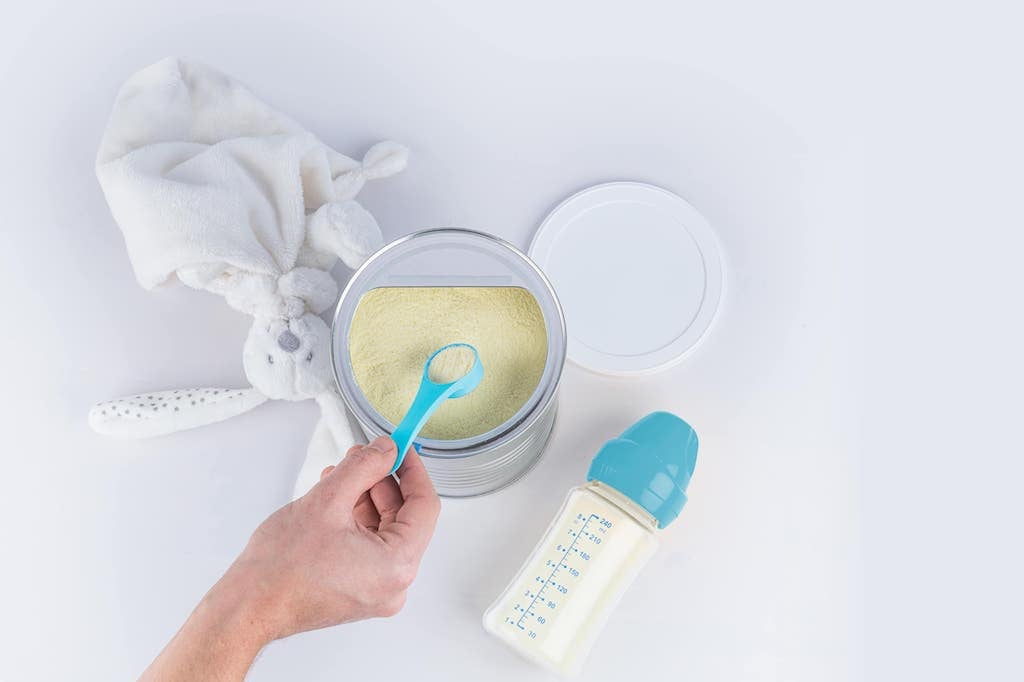
Informed Shopping Habits Transform How Families Buy Organic Baby Formula

Careful choices often begin long before an infant product reaches home. Clear labels now help caregivers understand ingredients plus important nutrition details. Parents may buy organic baby formula after reviewing certification plus preparation guidance. Reliable product details make comparisons easier across several available feeding options. Storage instructions also deserve attention because correct handling protects product quality. Informed Shopping Habits Transform How Families Buy Organic Baby Formula reflects this careful approach.

Clear Labels Improve Product Understanding

Packaging provides important details about ingredients plus nutritional values for caregivers. Simple descriptions help parents compare several choices without unnecessary confusion.

Preparation directions explain the correct amount required for each feeding. Expiration information also helps households plan suitable usage before purchasing supplies.

Certification Builds Greater Product Clarity

Organic certification shows whether production follows recognized requirements for specific ingredients. Parents can check official marks printed clearly across product packaging.

Certification alone should never replace a complete review of nutritional information. Careful comparison provides broader understanding before families select suitable infant nutrition.

Eight Checks Before Making Purchases

Small checks can reveal meaningful differences between seemingly similar formula choices. Caregivers should review complete information rather than focusing on packaging claims.

  • Read ingredient lists carefully before selecting any suitable feeding option.
  • Confirm certification symbols through clearly stated information on product packaging.
  • Review expiration dates to support suitable storage planning at home.
  • Examine preparation directions before deciding whether instructions seem manageable daily.
  • Compare nutritional panels using equal serving sizes for fair evaluation.
  • Check container seals carefully before storing newly delivered infant products.
  • Review storage guidance to maintain proper conditions after every purchase.
  • Keep manufacturer instructions available during regular preparation plus daily handling.

Current Labels Support Careful Comparisons

Modern packaging often presents nutritional values in an organized readable format. Parents can compare similar products using serving size plus ingredient information.

Those planning to buy organic baby formula should consider complete label details. Balanced evaluation prevents one attractive claim from controlling an important feeding decision.

What Should Families Check Before Choosing Formula Today?

Parents should begin by checking ingredients plus recognized certification information carefully. They should also review nutritional values for the suggested serving amount. Preparation instructions need equal attention because correct mixing supports proper use. Expiration dates provide another useful point when planning regular supplies.

Product Details Worth Comparing Regularly

A consistent comparison method keeps important information organized before each purchase. Families can record useful details when several suitable products appear similar. Simple records also reduce reliance on memory during future product reviews.

Common Formula Questions Parents Ask

Caregivers often need straightforward answers before selecting infant feeding products. Clear responses can remove uncertainty while supporting careful household decisions.

  • What should parents examine first? Start by checking complete ingredient information.
  • Does certification confirm organic standards? Recognized marks indicate defined production requirements.
  • Should expiration dates affect purchases? Dates help families plan suitable usage.
  • Are nutrition panels worth comparing? Equal servings reveal meaningful nutritional differences.
  • Does packaging condition matter? Secure containers help protect contents before opening.
  • Should preparation guidance be saved? Printed directions support consistent daily preparation.

Infant milk - Isigny Sainte-Mère

Storage Habits Protect Product Quality

Proper storage begins by following instructions printed directly on each container. Unopened products should remain under conditions stated by their manufacturer.

Comparison Area Details to Review Purpose
Certification Recognized organic mark Confirms stated production requirements
Nutrition Serving based nutrient values Supports equal product comparison
Preparation Mixing directions Guides correct everyday preparation
Expiration Printed usable date Helps plan suitable household supply
Storage Handling instructions Supports proper container care

Opened containers require careful handling according to their specific directions. Regular checks can also prevent outdated supplies from remaining unnoticed at home.

Simple Records Reduce Shopping Confusion

Keeping brief product notes can support more consistent comparisons over time. Families may record expiration dates plus certification details for easy reference. Purchase dates can also help households manage available supplies more effectively. Organized information keeps routine decisions focused on verified product details.

Consistent Review Supports Better Decisions

Thoughtful selection depends on dependable details rather than attractive package claims. Steady checking helps caregivers compare suitable options using the same standards.

Accurate preparation guidance supports proper use after a product reaches home. Regular evaluation keeps household feeding decisions organized without chasing perfection. A dependable routine ultimately creates clearer judgment through consistent careful action.