Author: Emmett

delta 8 flower safe

What should you look for when buying Delta 8 Flower?

When considering purchasing delta 8 flower, there are several important factors to keep in mind to ensure you’re getting a high-quality product that meets your needs and expectations. Delta 8 THC is a cannabinoid that is similar to Delta 9 THC but with slightly different effects.

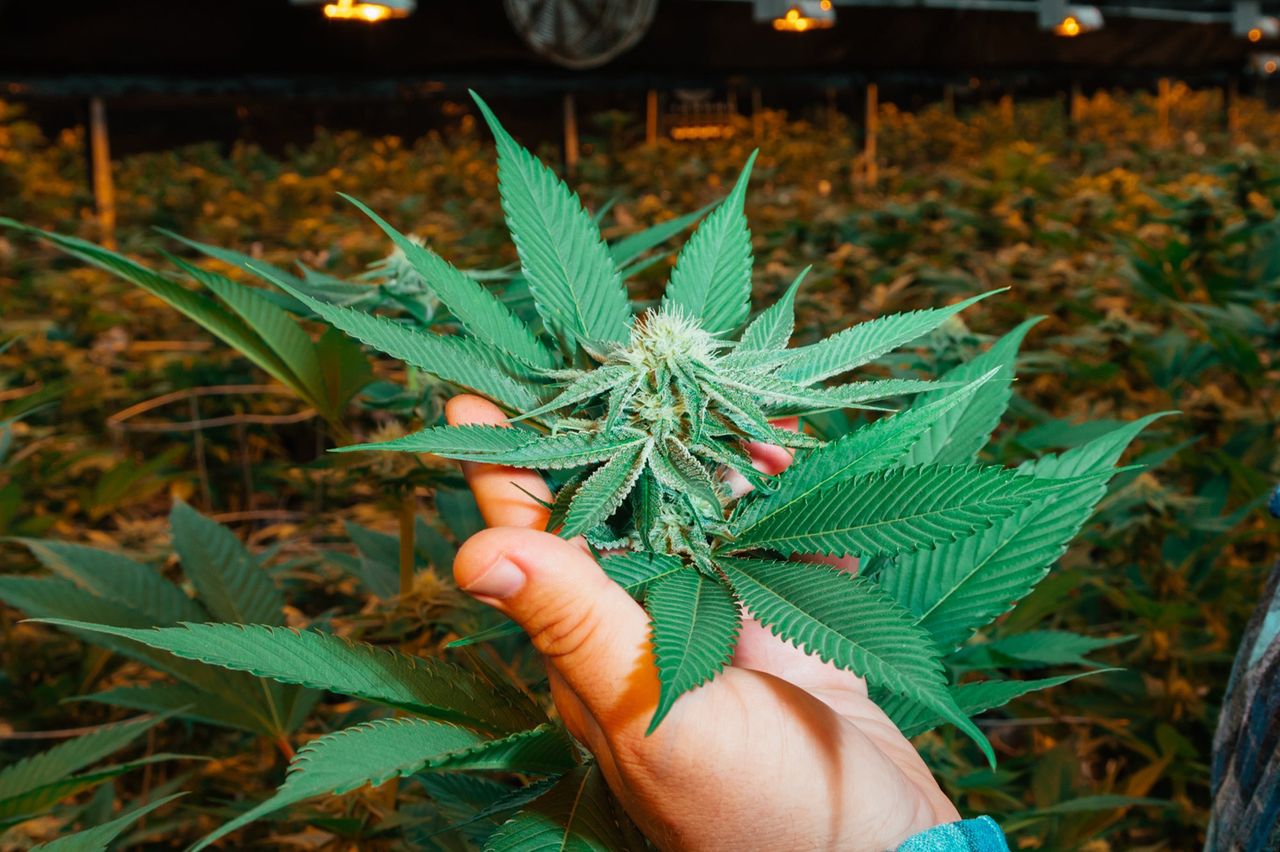
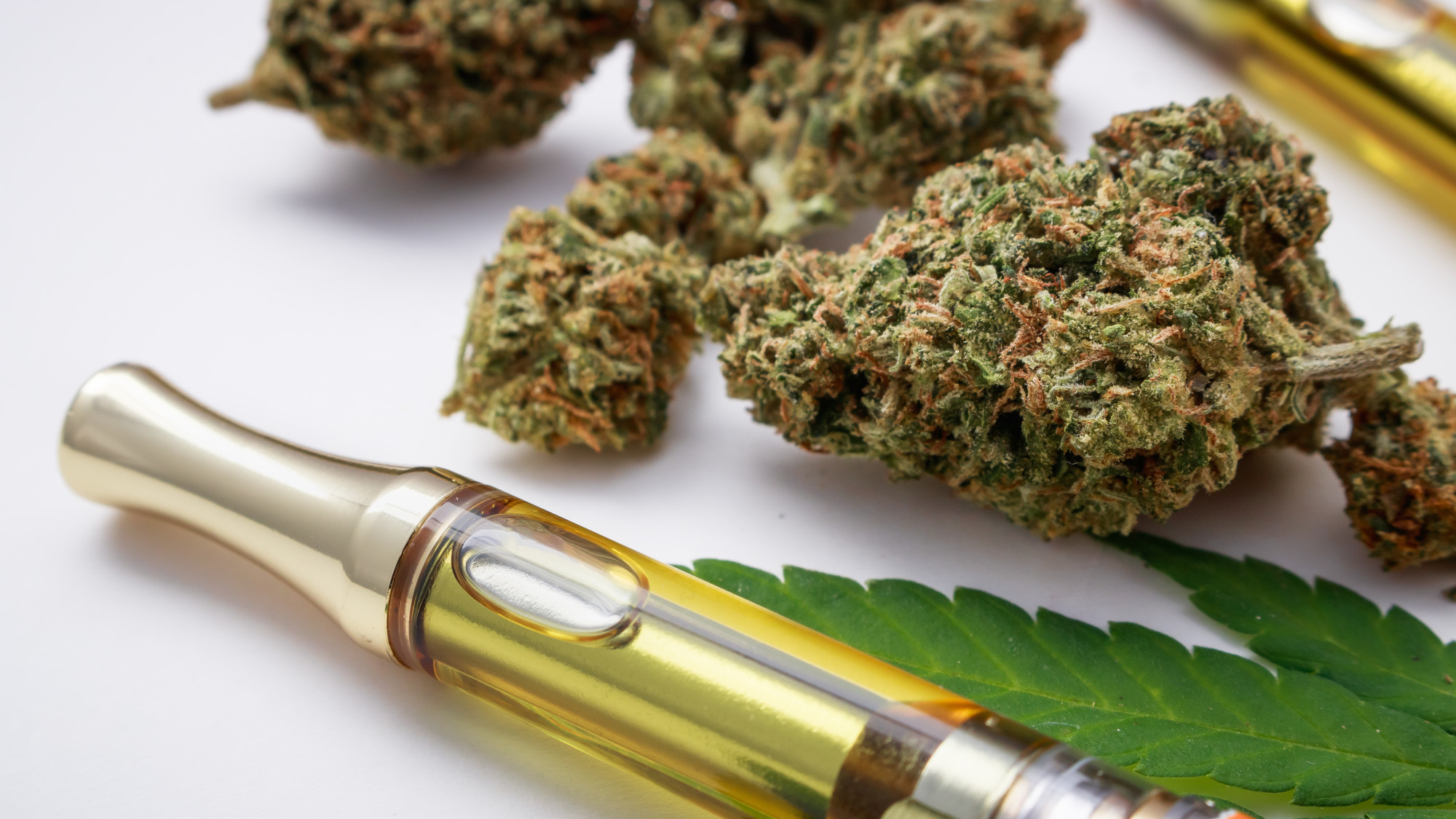
Quality of Flower: Just like with any cannabis product, the quality of the flower is paramount. Look for delta 8 flower that is well-trimmed, properly cured, and free from mold, pests, or other contaminants. High-quality flower will have vibrant colors, a strong aroma, and dense, resinous buds.

Delta 8 Content: Pay attention to the Delta 8 THC content of the flower. Different strains and products may vary in their Delta 8 concentration, so choose one that aligns with your desired potency level. It’s essential to verify that the product has been tested by a third-party laboratory to ensure accuracy in cannabinoid potency.

Cannabinoid Profile: In addition to Delta 8 THC, consider the cannabinoid profile of the flower. Some strains may contain other cannabinoids like CBD, CBG, or CBN, which can influence the overall effects and therapeutic benefits of the product. Look for a balanced cannabinoid profile that suits your preferences and desired effects.

Terpene Profile: Terpenes are aromatic compounds found in cannabis that contribute to its flavor, aroma, and therapeutic effects. Different strains have unique terpene profiles that can influence the overall experience. Consider the terpene profile of the Delta 8 flower and choose strains that align with your taste preferences and desired effects. Common terpenes found in cannabis include myrcene, limonene, pinene, and linalool.

delta 8 flower vs weed

Organic and Sustainable Practices: Opt for Delta 8 flower that has been grown using organic and sustainable cultivation practices. This ensures that the flower is free from harmful pesticides, herbicides, and synthetic fertilizers, resulting in a cleaner and more natural product. Look for products that are labeled as organic or grown using sustainable methods.

Source and Reputation of the Brand: Research the brand or manufacturer of the Delta 8 flower and consider their reputation within the industry. Choose companies that are transparent about their sourcing, cultivation, and manufacturing processes. Look for reviews and testimonials from other customers to gauge the quality and reliability of the product.

Legal Compliance: Ensure that the Delta 8 flower you’re purchasing complies with local laws and regulations. While Delta 8 THC is legal in many states, it’s essential to verify that the product meets the legal requirements in your area to avoid any potential legal issues.

cbd oil drops

CBD Oil for Pain Relief and the Endocannabinoid System

CBD (cannabidiol) oil has gained popularity for its potential to alleviate pain, among other therapeutic benefits. Understanding how cbd oil for pain relief interacts with the endocannabinoid system (ECS) provides insight into its mechanism of action for pain.

The Endocannabinoid System (ECS):

Overview: The ECS is a complex biological system present in mammals, including humans. It consists of cannabinoid receptors, endocannabinoids (naturally occurring cannabinoids produced by the body), and enzymes responsible for synthesizing and degrading endocannabinoids.

Functions: The ECS plays a crucial role in regulating various physiological processes, including pain sensation, inflammation, mood, appetite, and sleep. It helps maintain homeostasis, ensuring the body’s internal environment remains stable despite external changes.

CBD and the ECS:

Interaction with Cannabinoid Receptors: CBD interacts with cannabinoid receptors in the ECS, primarily CB1 and CB2 receptors, although it has a low affinity for directly binding to these receptors.

Modulation of Endocannabinoids: CBD influences the activity of endocannabinoids by inhibiting the enzyme fatty acid amide hydrolase (FAAH), responsible for breaking down anandamide, a prominent endocannabinoid known for its analgesic properties.

Indirect Effects: CBD’s interaction with the ECS leads to indirect effects on various neurotransmitter systems, including serotonin and vanilloid receptors, which are involved in pain perception and modulation.

is cbd oil legal

CBD Oil for Pain Relief:

Anti-Inflammatory Effects: CBD possesses anti-inflammatory properties, which can reduce inflammation associated with pain conditions such as arthritis, neuropathic pain, and inflammatory disorders.

Analgesic Effects: By modulating the ECS and influencing neurotransmitter systems, CBD can alleviate pain perception and provide relief from acute and chronic pain conditions.

Neuroprotective Effects: CBD’s neuroprotective properties may help mitigate pain associated with neurological disorders such as multiple sclerosis and neuropathic pain.

Clinical Evidence and Research:

Human Studies: While clinical research on CBD for pain relief is still in its early stages, several studies have shown promising results. Research suggests that CBD may be effective in managing conditions such as chronic pain, neuropathic pain, and inflammatory pain.

Animal Studies: Preclinical studies in animal models have provided valuable insights into CBD’s mechanism of action for pain relief, supporting its potential therapeutic efficacy.

Conclusion:

CBD oil for pain relief involves its interaction with the endocannabinoid system, modulation of endocannabinoids, and indirect effects on neurotransmitter systems involved in pain perception. While further research is needed to fully understand CBD’s efficacy and safety for pain management, preliminary evidence suggests that it holds promise as a natural alternative for alleviating pain and improving quality of life for individuals with various pain conditions.